
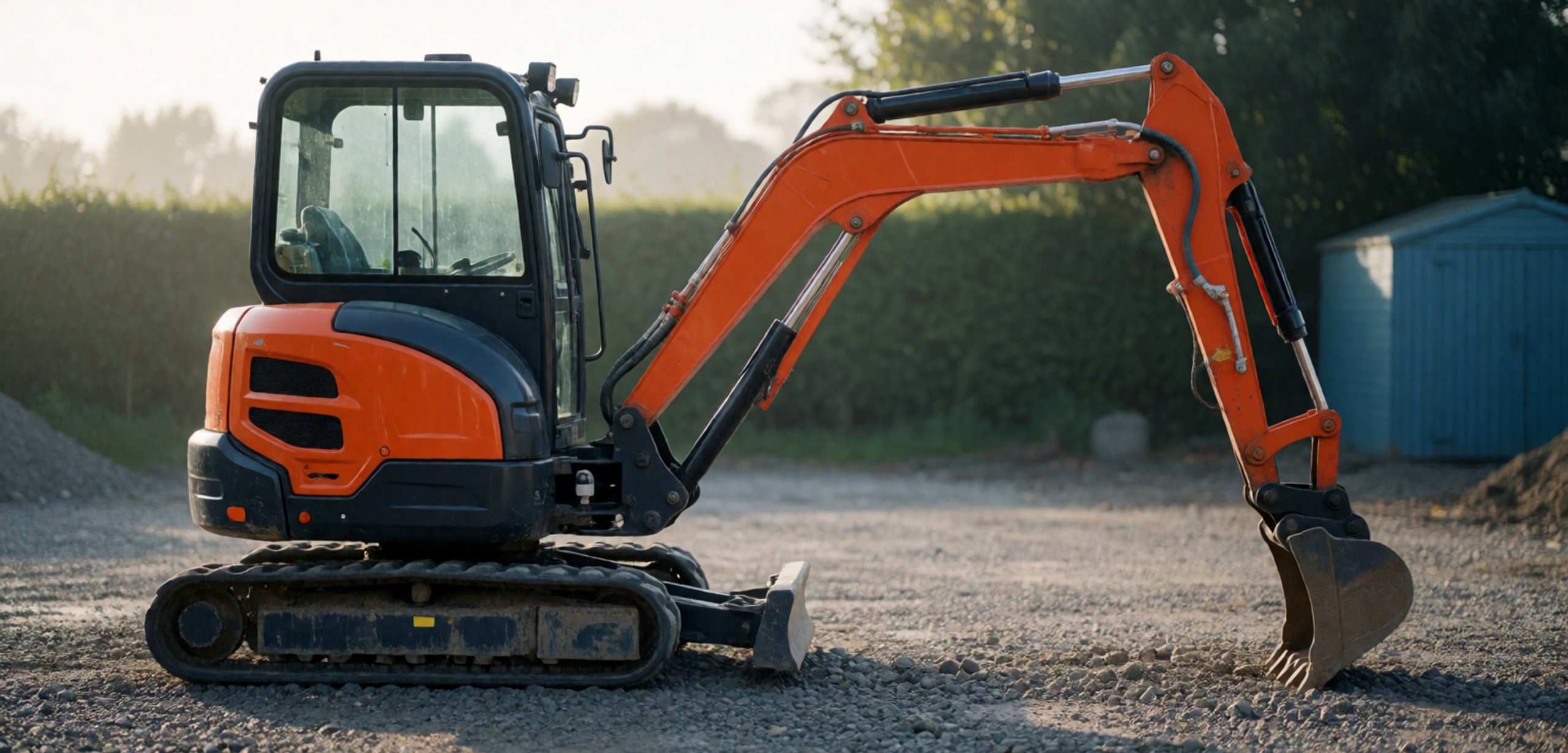
A mini excavator can look like a great buy right up until you try to get it through a customer’s gate. Or load it for transport. Or run the attachment you assumed would fit. Those aren’t small details after the money has changed hands.
At Keystone Equipment Sales Services in Pennsylvania, we want to know what work the machine will do before narrowing down options. The best mini excavator for a contractor digging service trenches may be a poor fit for someone mainly moving heavy material. Start with the ordinary working day, not the biggest job you might take someday.
Describe The Work In Real Terms
Trenching sounds specific until you ask how deep, how wide, and in what ground. Digging in an open area isn’t the same assignment as working beside a house with a narrow access route. Stump removal and handling bulky material bring different demands again.
Write down the jobs you expect to do most often and the attachments they require. Then separate the occasional jobs that could justify a rental. Buying extra capacity for one unusual project may leave you transporting and paying for more machine than the regular work needs. Buying too small can be just as frustrating if it struggles on every job.
Check Access With A Tape Measure
Measure the openings you’re likely to use. Compare those measurements with the actual machine dimensions and operating configuration, not a guess based on a size-class label. Attachments, track position, and the space needed to maneuver all belong in that check.
Tail swing matters near buildings and fences, but reduced or zero tail swing doesn’t mean the entire work area is clear of hazards. The boom, attachment, and material still move outside the machine’s footprint. Plan the working space as well as the path through the gate. Getting in is only half of fitting on the site.
Sort Out Transport Before Shopping Gets Serious
Consider the machine’s actual transport weight with the equipment you intend to carry. Buckets, a thumb, and other attachments add weight, as does the trailer itself. Compare the full combination with the ratings of the truck, trailer, hitch, axles, and tires.
Don’t assume that a pickup can handle a machine because someone has photographed a similar setup online. Verify the configuration and applicable transport requirements for your use. An equipment purchase that also requires a different trailer or tow vehicle has a different total cost from the machine price on the listing.
Match Attachments To The Hydraulic Setup
A machine having auxiliary lines doesn’t establish that it can operate every attachment. Flow, pressure, connections, and any required return arrangement have to suit the equipment. A breaker and a hydraulic thumb aren’t interchangeable.
Check the coupler and attachment compatibility before buying. Ask how the controls operate and what needs changing when attachments are swapped. If attachment work will be part of the daily routine, it belongs in the original comparison, not on a list of upgrades to figure out after delivery.
Read Capacity Information For The Actual Task
Operating weight gives you a useful size comparison, but it doesn’t tell the entire story about what a machine can lift or dig. Reach, lift position, configuration, and the manufacturer’s rated limits matter. A capacity number without those conditions can be misleading.
Think about where you’ll be working from and where the load needs to go. The right match may be a different machine, a different attachment, or a different work plan. Don’t turn a sales comparison into an assumption that the excavator can safely handle any object that fits in the bucket.
Used Machines Need More Than A Paint Check
Look closely at the undercarriage, tracks, rollers, and sprockets. Excessive play at pins and bushings, damaged hoses, leaks, or suspicious repairs deserve explanation. New paint doesn’t answer those questions, and low recorded hours aren’t a substitute for an inspection.
Review the service history and arrange an appropriate operational inspection. How the machine behaves once warmed up can matter as much as how easily it starts. If records are missing, allow for that uncertainty in the buying decision and the maintenance budget rather than treating undocumented work as completed work.
Spend Some Time At The Controls
Visibility, seat condition, control response, and access for routine checks affect the working day. A cab feature you barely notice during a quick walkaround may become irritating after several hours. Where fitted, heating and air conditioning should be checked rather than assumed to work.
Also look at parts and service support for the particular machine. A modest purchase-price saving is less attractive if a needed part leaves it parked when you have work booked. Compare the likely ownership costs alongside the features you can see.
Choose A Machine You Can Put To Work
Bring the job details, access measurements, transport plan, and intended attachments into the same conversation. That gives you a much better starting point than asking which brand is best without saying what best needs to do.
Call Keystone Equipment Sales Services at (724) 856-6046 to discuss mini excavator options in Pennsylvania. Our team can help you compare machines against the work you actually have, so you’re choosing useful capability instead of finding the limits after it reaches the first job.