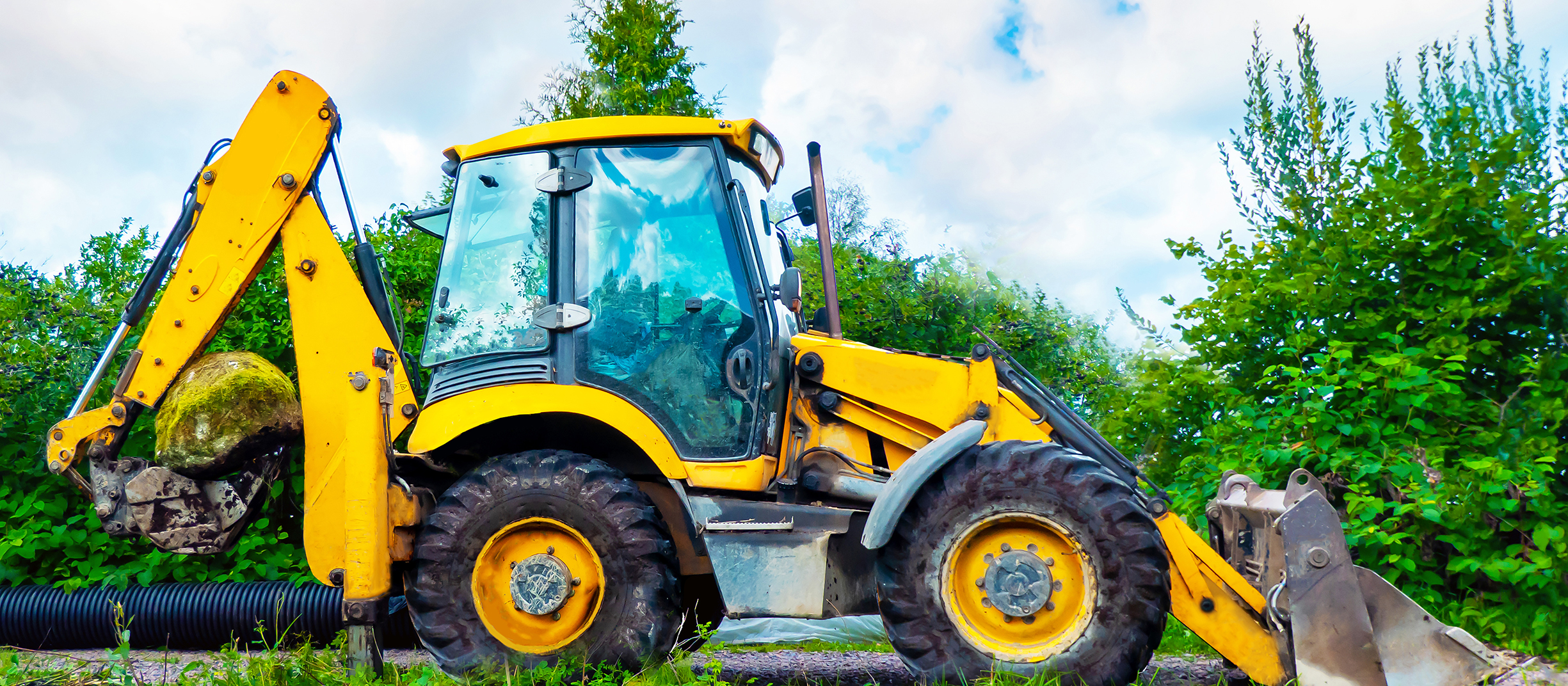
An excavator for mostly digging; a backhoe loader when one machine needs to dig and handle a fair amount of loading too. That’s a useful starting point, but we’d ask a few questions before you write the check. The next project isn’t necessarily what the machine will spend most of its life doing.
At Keystone Equipment Sales Services, we want to hear about the ordinary jobs as well as the big one. If you’ve already got a loader, buying another front bucket may not be the priority. If you haven’t, the backhoe’s two-ended arrangement may solve more of your day.
Picture A Working Day
For a long run of digging, we’d be looking closely at an excavator. The upper structure turns, so moving a bucketful from the cut to a spoil pile doesn’t require turning the whole chassis. It’s an arrangement suited to repeating that job. But perhaps your digging is only a short part of the morning, followed by loading and backfilling. A backhoe loader has its rear digging assembly and the front loader bucket available for that mixed day. That’s where the second end earns its keep.
We’d still need the dimensions of the job. Depth, reach, capacity, working space: compare those against the specifications of the actual machines you’re considering. An excavator small enough for a garden gate isn’t a useful stand-in for every excavator on the market, any more than one backhoe represents all backhoes. You are buying a particular machine, not winning an argument about the category.
How Wide Is That Gate?
Getting through the entrance is only part of fitting on the job. Where will the tail swing? Where do stabilizers need to sit, if the machine uses them? Once you’ve made room for that, there’s still the spoil pile and whatever else is working nearby. It’s worth sketching out the space rather than celebrating because the machine is narrower than the gate.
Would your present truck and trailer carry it? That’s worth answering before getting attached to a tracked excavator listing. Include the attachments in the transport weight and check ratings and applicable requirements; the hauling setup may become another purchase. A wheeled backhoe may make some moves more convenient, but road travel depends on the equipment, the route, and what’s permitted there. We’d rather you knew how it’s getting home before you bought it.
Which Attachment Are You Counting On?
Maybe the real attraction is the attachment you intend to put on it. If it’s a breaker, grapple, thumb, or forks, let’s discuss that along with the machine, not as an afterthought. We’d need the hydraulic flow and pressure requirements, the coupler details, the weight, and the manufacturer’s limits to check the fit properly. A tool that pins on can still be wrong for the hydraulic setup.
If part of the job involves lifting, bring the load details too. The approved equipment and charts for the actual configuration are what count, not how easily the machine appeared to lift something else. No improvised rigging. Buying with the lifting task in mind gives you a chance to choose a suitable setup before the work is waiting on it.
Leave Some Budget After The Purchase
The asking price isn’t the last check you’ll write. On used equipment, we’d want records and an inspection that goes beyond the hour meter: look at the hydraulics in operation, leaks, wear at pins, the tires or undercarriage, and the safety equipment. That gives you a better idea of what the next repair bill could involve than fresh paint does.
Then there’s whoever will sit in the seat. Running a similar machine years ago isn’t a substitute for the training and manual for this one. Controls and limits differ. If you’re still unsure how often you’d use it, some rental time may answer more questions than another night looking at listings. Call Keystone Equipment Sales Services in New Castle, PA at (724) 856-6046 and we’ll go over the excavator and backhoe-loader choices with the work you actually have in mind.